 Kliky
Kliky
What a universal remote app is, and is not
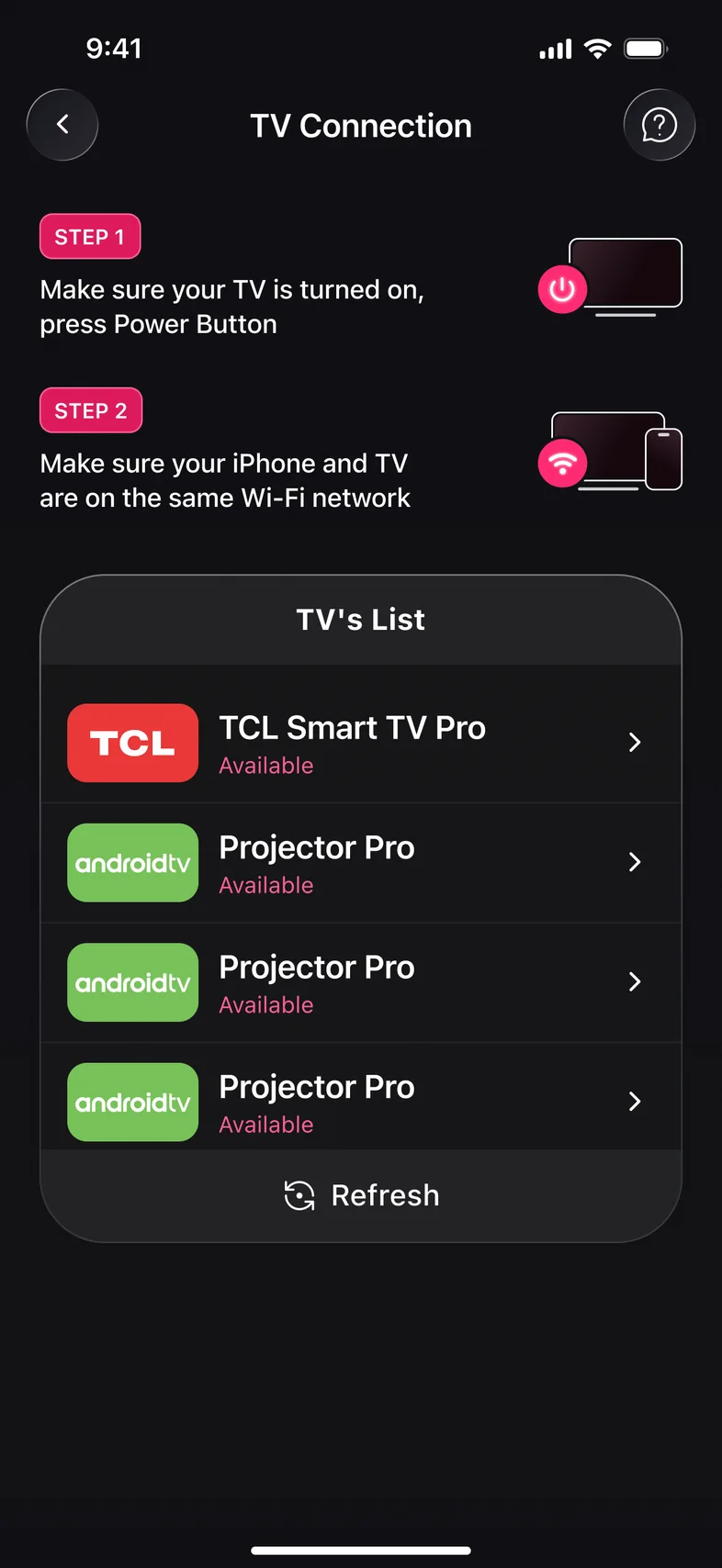
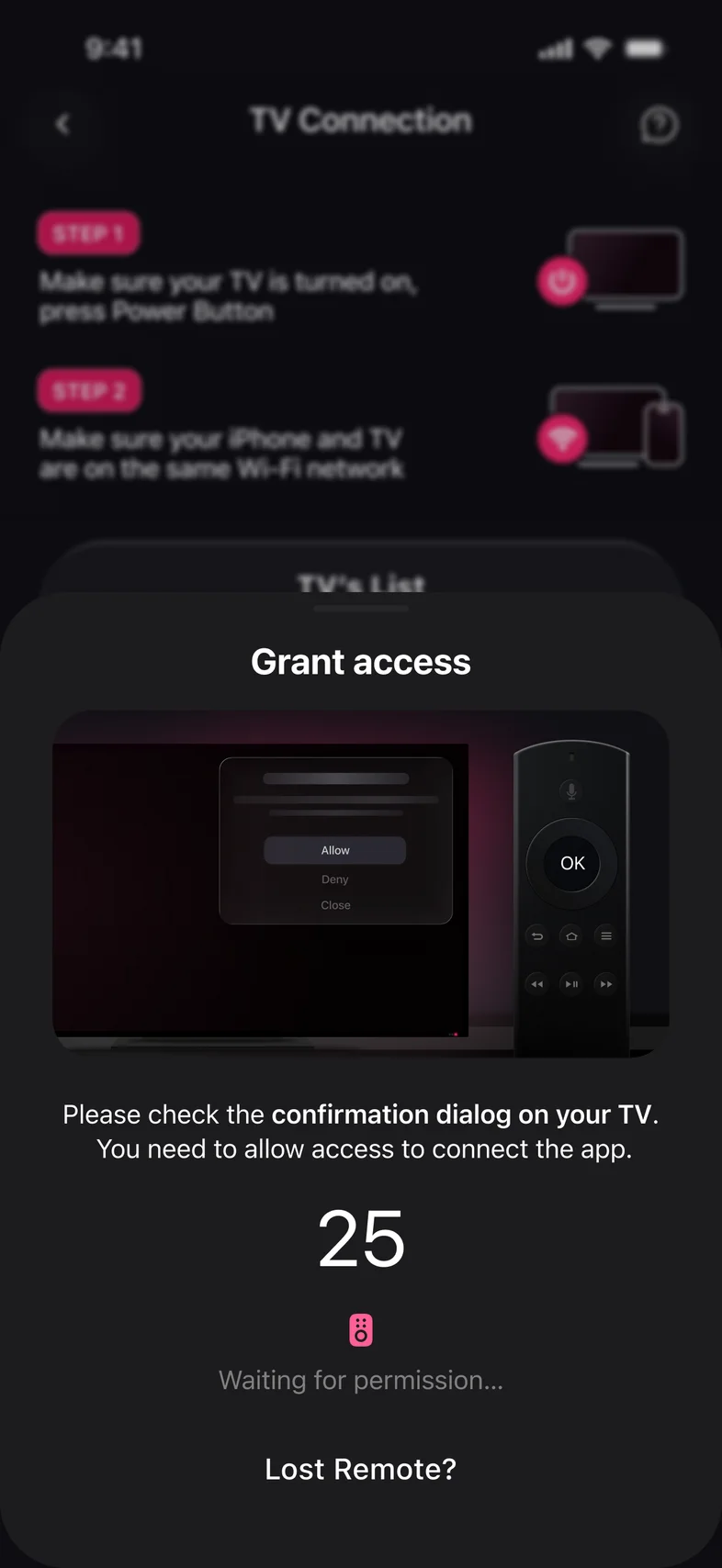
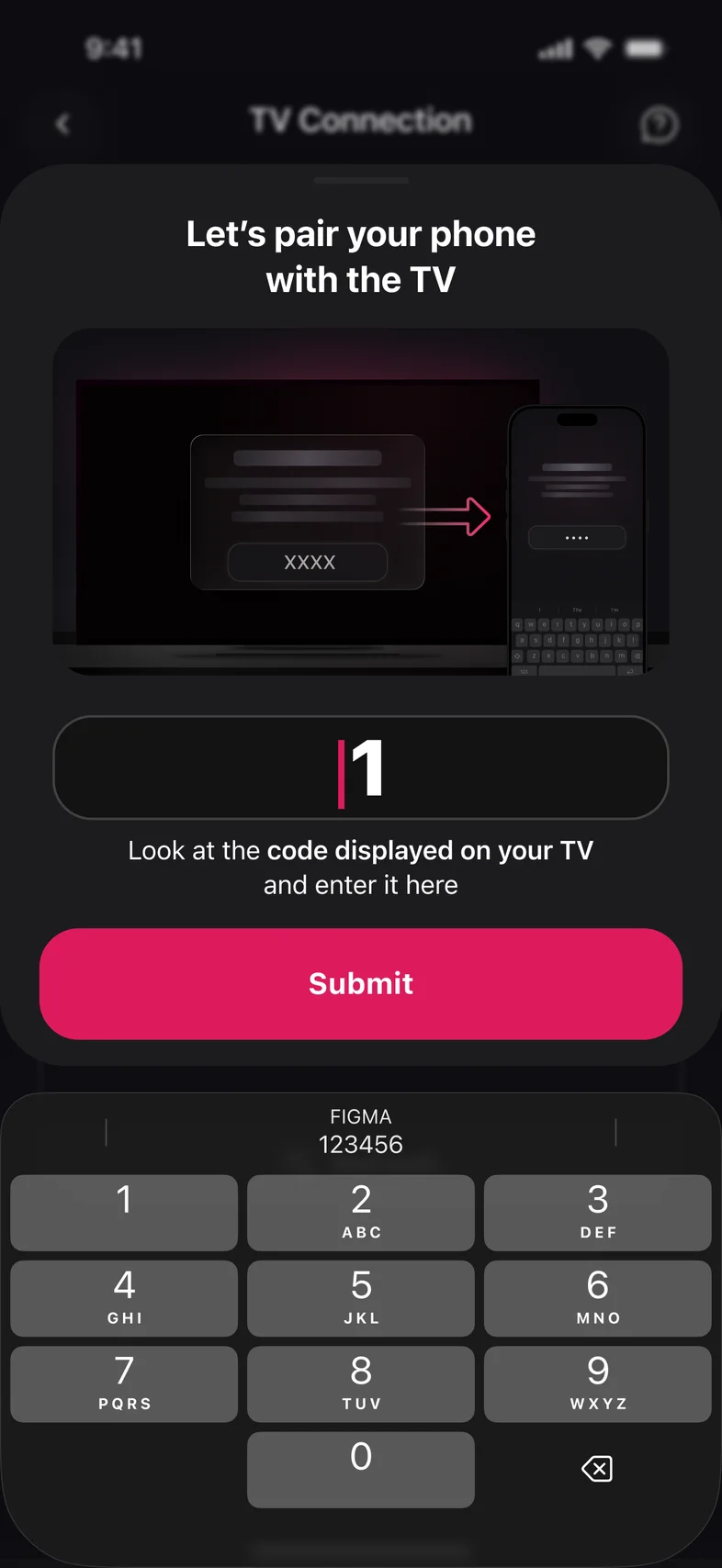
A plastic universal remote sends infrared, the same invisible light as the remote that came with the TV. You teach it your TV by entering a code. A universal remote app works differently: smart TVs and streaming devices accept commands over the home network, so the app finds them on Wi‑Fi and needs no code and no line of sight.
That difference cuts both ways. An app reaches a Roku Streaming Stick or Fire TV Stick hidden behind the TV, which no infrared remote can. It cannot reach an old TV, a cable box or a soundbar that has no network connection.
What the app adds to a remote
- A keyboard. Type searches and passwords on your phone instead of with arrow keys.
- Voice search through the phone’s microphone, also on TVs whose own remote has no voice button.
- A touchpad for TVs with an on-screen pointer.
- Every device in one list. The living-room Samsung, the bedroom Roku and the Fire TV Stick in the kitchen, each with the layout its own remote has.
Kliky also has Screen Mirroring, Photo and Video Cast and AI Advisor.
Universal remote app or universal remote?
| Universal remote app | Infrared universal remote | |
|---|---|---|
| Setup | Pick the TV, confirm on screen | Enter a code per device |
| Smart TVs on Wi‑Fi | Yes | Yes |
| Streaming sticks | Yes | No |
| Old TVs, cable boxes, soundbars | No | Yes |
| Keyboard and voice | Yes | No |
| Works without Wi‑Fi | No | Yes |
Many homes use both: the app for everyday control and typing, and a plastic remote for guests and for the devices that only understand infrared.